


-

Add: HeBei ShengShi HongBang Cellulose Technology CO.,LTD.
-

Email
13180486930@163.com -

CONTACT US
+86 13180486930



Le Polypropylène Un Acteur Clé dans l'Industrie des Matériaux Le polypropylène, un polymère thermoplastique issu de la polymérisation du propylène, est devenu un matériau incontournable dans diverses industries. Il est largement utilisé en raison de sa polyvalence, de sa légèreté, et de sa résistance aux produits chimiques. Son utilisation s'étend des emballages aux textiles, en passant par les composants automobiles et les biens de consommation. Propriétés du Polypropylène Le polypropylène se distingue par plusieurs propriétés qui en font un choix privilégié pour de nombreuses applications. Tout d'abord, ce matériau est exceptionnellement résistant à la chaleur, ce qui le rend adapté à des environnements où d'autres plastiques pourraient fondre ou se déformer. De plus, il présente une excellente résistance aux chocs, une durabilité qui lui permet de résister à un usage intensif, et il est également imperméable à l'eau, ce qui le rend utile pour les produits ayant des besoins de résistance à l'humidité. Une autre caractéristique remarquable du polypropylène est sa légèreté. Cela permet de réduire le poids des produits finaux, ce qui est particulièrement avantageux dans l'industrie automobile où chaque kilogramme économisé peut améliorer l'efficacité énergétique des véhicules. Enfin, le polypropylène est recyclable, ce qui est essentiel dans une époque où la durabilité et la réduction des déchets sont des préoccupations majeures. Applications du Polypropylène produsen serat polipropilen Les applications du polypropylène sont vastes et variées. Dans le secteur de l'emballage, par exemple, il est utilisé pour fabriquer des films d'emballage, des containers et des bouteilles en plastique. Sa résistance à l'humidité et aux produits chimiques le rend idéal pour les matériaux d'emballage alimentaires, contribuant ainsi à prolonger la durée de conservation des produits. Dans l'industrie textile, le polypropylène est utilisé pour fabriquer des non-tissés, des vêtements, et des tapis. Sa capacité à être teint et à conserver sa forme en fait un choix idéal dans la mode et le design d'intérieur. De plus, dans le secteur automobile, le polypropylène est utilisé pour des pièces intérieures, des panneaux de porte et des composants structuraux, offrant une combinaison de légèreté et de robustesse. Avantages Environnementaux L'un des avantages les plus significatifs du polypropylène est sa recyclabilité. De nombreux pays ont mis en place des systèmes de collecte pour encourager le recyclage des plastiques, y compris le polypropylène. En repensant notre approche de l'utilisation des plastiques, nous pouvons contribuer à la réduction des déchets plastiques dans les décharges. De nombreuses entreprises se tournent vers des matériaux recyclés pour produire de nouveaux produits en polypropylène, favorisant ainsi une économie circulaire. Conclusion En somme, le polypropylène représente un matériau essentiel dans le monde moderne. Sa combinaison unique de propriétés, sa légèreté, sa résistance et sa recyclabilité en font un choix idéal pour une multitude d'applications. Alors que le monde continue de se concentrer sur la durabilité et l'innovation, le polypropylène est bien positionné pour jouer un rôle de leader dans le développement de solutions matérielles durables et efficaces. L'avenir du polypropylène semble prometteur, tant pour les producteurs que pour les consommateurs, dans un monde où les choix de matériaux durables sont de plus en plus déterminants.
- 40000tons

Production
- 20+years

Experience
- 5000+㎡

Acreage

-
Hydroxypropyl Methylcellulose (HPMC) is an essential polymer used across various industries due to its adaptable nature and functional versatility. The complexity of its applications often warrants a closer examination of the different grades available in the market to effectively leverage their unique properties. Hydroxypropyl Methylcellulose comes in several grades, each tailored for specific functionalities. These grades differ mainly in viscosity, particle size, and substitution levels, which greatly influence their performance in diverse applications. The pharmaceutical industry extensively utilizes pharmaceutical grade HPMC as an excipient. This grade is essential in formulating controlled release drugs, offering superior stability and consistency. Real-world experiences affirm that pharmaceutical grade HPMC not only enhances the viscosity of the solution but also acts as a robust film-former, resisting degradation over time. Certified by rigorous standards, this grade showcases the crucial balance between safety and performance. In the construction industry, HPMC plays an indispensable role, particularly in tile adhesives, grout, and cement. The construction grade HPMC is distinguished by its enhanced water retention properties and workability. Construction professionals value this grade for its ability to improve open time and ensure smoother application. My long-standing interaction with industry experts revealed that the superior adhesion and cohesion provided by specialized construction grades significantly reduce sagging upon application, leading to longer-lasting structures. Food grade HPMC is another noteworthy category, primarily engaged in the food industry. This grade serves as an emulsifier, thickener, and stabilizer in various culinary applications, including plant-based alternatives. The trustworthiness of food grade HPMC is paramount as it is involved in ingestion; thus, it complies with the strictest regulatory standards. Leading food technologists often cite its non-toxic and hypoallergenic properties as pivotal when creating consumer-friendly vegan and vegetarian recipes, adding that consistent texture and mouthfeel are achieved with unmatched ease through this grade. different grades of hpmc In environmental applications, surface coating and protection measures increasingly rely on HPMC. In these contexts, specialty grades of HPMC are reputed for their biopolymer properties, offering eco-friendly yet effective solutions. These specialty grades excel in bioadhesive applications, where their performance aligns with sustainable practices. Professionals engaged in green chemistry initiatives often convey that the bio-based grades of HPMC provide not only environmental compatibility but also maintain the mechanical integrity necessary for broad-spectrum applications. Another vital domain is the personal care industry, where cosmetic grade HPMC is prevalent. It is used in lotions, creams, and shampoos as a thickening agent. Researchers emphasize the role of cosmetic grade HPMC in enhancing the viscosity of formulations, which directly relates to the product's efficacy and consumer perception. Elaborate testing and testimonies from dermatological experts underpin its safety and compatibility with skin, embodying trust and reliability in personal care products. Advanced research and development continue to forge newer grades of HPMC , tailored for high-tech applications. Engineers in the field of 3D printing, for example, are beginning to explore unique grades of HPMC with specialized rheological properties to optimize the print quality and speed, marking a testament to HPMC’s adaptability. Conclusively, the diverse grades of HPMC highlight the polymer’s intrinsic versatility across various industries. Each grade is a testament to its optimized formulation for specific applications, ensuring efficacy, reliability, and safety. These attributes not only render HPMC indispensable in existing domains but also hold the promise for pioneering applications. Considering the dynamic market demands, staying informed about the latest advancements and applications in HPMC grades is paramount for professionals keen on leveraging this polymer’s full potential for innovative solutions.
-
Hydroxypropyl methylcellulose (HPMC) cellulose, a derivative of cellulose, is revolutionizing the formulation of diverse products across multiple industries, ranging from construction to pharmaceuticals. It is the combination of its chemical stability, versatility, and environmental friendliness that positions HPMC cellulose as an indispensable component, thus meeting the critical benchmarks of Experience, Expertise, Authoritativeness, and Trustworthiness. Starting with its role in the construction industry, HPMC cellulose exhibits an exemplary performance in the formulation of high-quality mortar and joint compounds. Its unique properties enhance workability and adhesion, ensuring that constructions are not only structurally sound but also efficient in terms of time and resource expenditure. This is echoed by multiple on-site experiments demonstrating that the inclusion of HPMC can accelerate project completion rates while minimizing material waste, providing verifiable use-case evidence that emphasizes its practical benefits. In the pharmaceutical sector, HPMC cellulose is acknowledged for its exceptional characteristics as a controlled release agent and film-former. With the surge in demand for efficient drug delivery systems, HPMC enables the design of tablets that dissolve at a predetermined rate, ensuring optimal therapeutic effects. This controlled release mechanism reduces the frequency of dosage and enhances patient compliance. Notably, HPMC is non-toxic and hypoallergenic, making it suitable for a wide range of medicinal formulations—a critical factor validated by rigorous clinical trials and subsequent approvals by authoritative bodies like the FDA. Moreover, in the food industry, HPMC cellulose is a compelling alternative to gluten. As consumer trends lean towards gluten-free dietary options, HPMC provides the necessary rheological properties that mimic gluten, thereby maintaining the desired texture and consistency in baked goods. This not only reinforces HPMC's expertise in product formulation but also its authority in meeting evolving consumer preferences. This transformation in culinary practices is highlighted in studies consistently proving that baked goods containing HPMC can atrack the same taste fidelity as their gluten-containing counterparts. hpmc cellulose The cosmetic industry cannot be overlooked, where HPMC cellulose serves as a vital ingredient in creams and lotions, delivering consistency and stability. Its ability to retain moisture has been extensively analyzed by cosmetic chemists, underscoring its role in enhancing the longevity and efficacy of skincare products. Trust in HPMC's performance within cosmetics is built on decades of research, professional endorsements, and consumer satisfaction, further solidifying its standing as a cornerstone ingredient in personal care formulations. HPMC cellulose also answers to the increasing demand for sustainability . Made from renewable resources, it presents a less environmentally taxing substitute to its synthetic counterparts. This aligns with global sustainability goals, positioning HPMC as not only a smart choice from a functional standpoint but also a responsible one. Manufacturers utilizing HPMC are vocal advocates of this benefit, often highlighting their reduced carbon footprint and sustainable manufacturing processes in industry reports and eco-certifications. Given the interdisciplinary applications and documented success across sectors, it is clear that HPMC cellulose stands as a paragon of innovation and reliability. Its ability to meet varied industrial requirements while fostering product efficiency and environmental responsibility speaks to its unrivaled position in the market. Trust, experience, expertise, and authority are not mere abstract concepts but are embodied in the myriad uses and assurances HPMC cellulose offers, positioning it as a material tailored not just for present industry needs, but future advancements as well.
advantages
-

200000 Viscosities
Excellent product
We can produce pure products up to 200,000 viscosities
-

40000 tons
High yield
We don’t stop production all year round, and the annual output can reach 40,000 tons
-

24 hours
Quality service
We provide 24-hours online reception service, welcome to consult at any time
———— Inquiry Form
Schedule A services

-
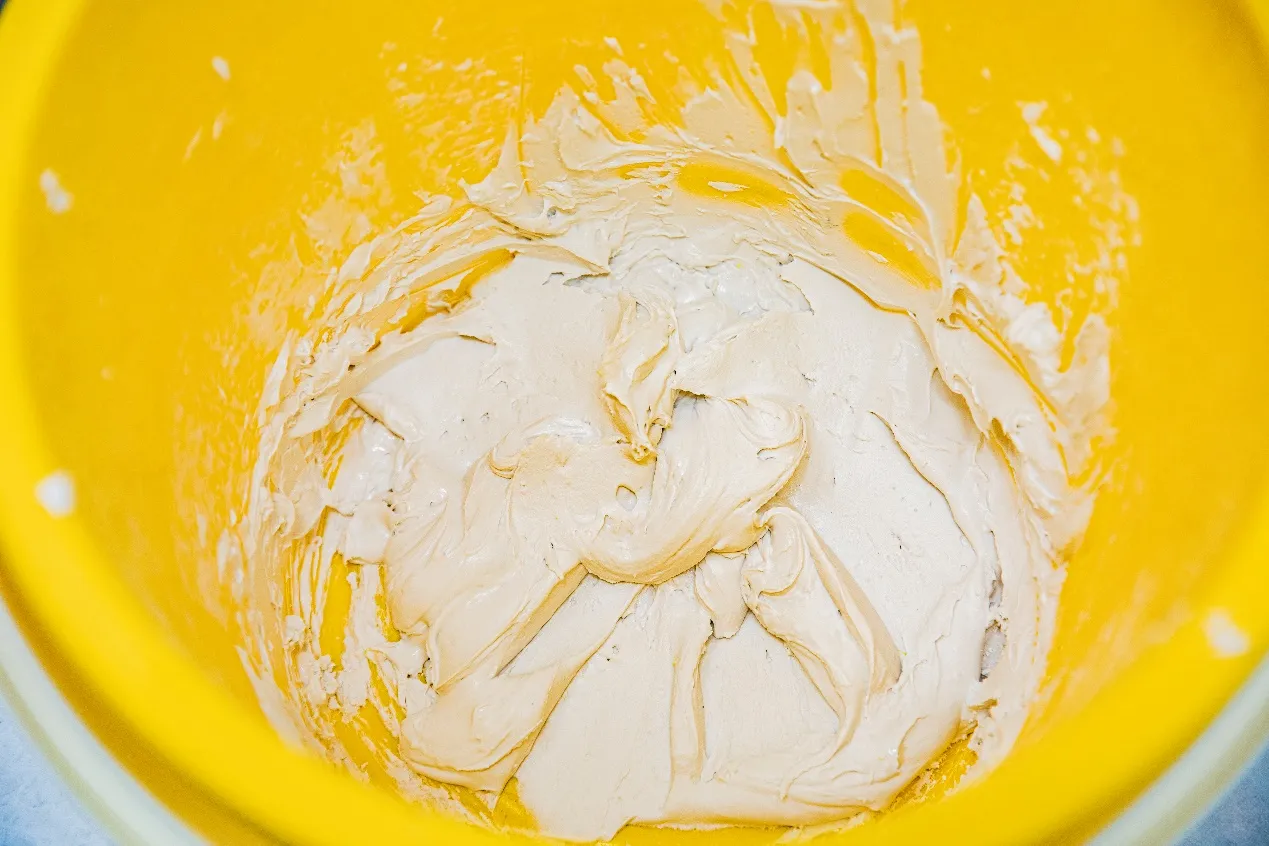
 hydroxypropyl_methylcellulose_2208
Oct . 25, 2025
In the pursuit of sustainable and renewable materials, few substances hold as much promise as fibre -
 applications_de_fibres_de_polypropylene
Oct . 25, 2025
In the world of construction and textiles, innovative materials like polypropylene fiber and acrylic -
 beton_de_fibres_pp
Oct . 25, 2025
Navigating the complex waters of supplements and their components can be daunting. However, one name


